Skip to content

Posts from the ‘mains’ Category

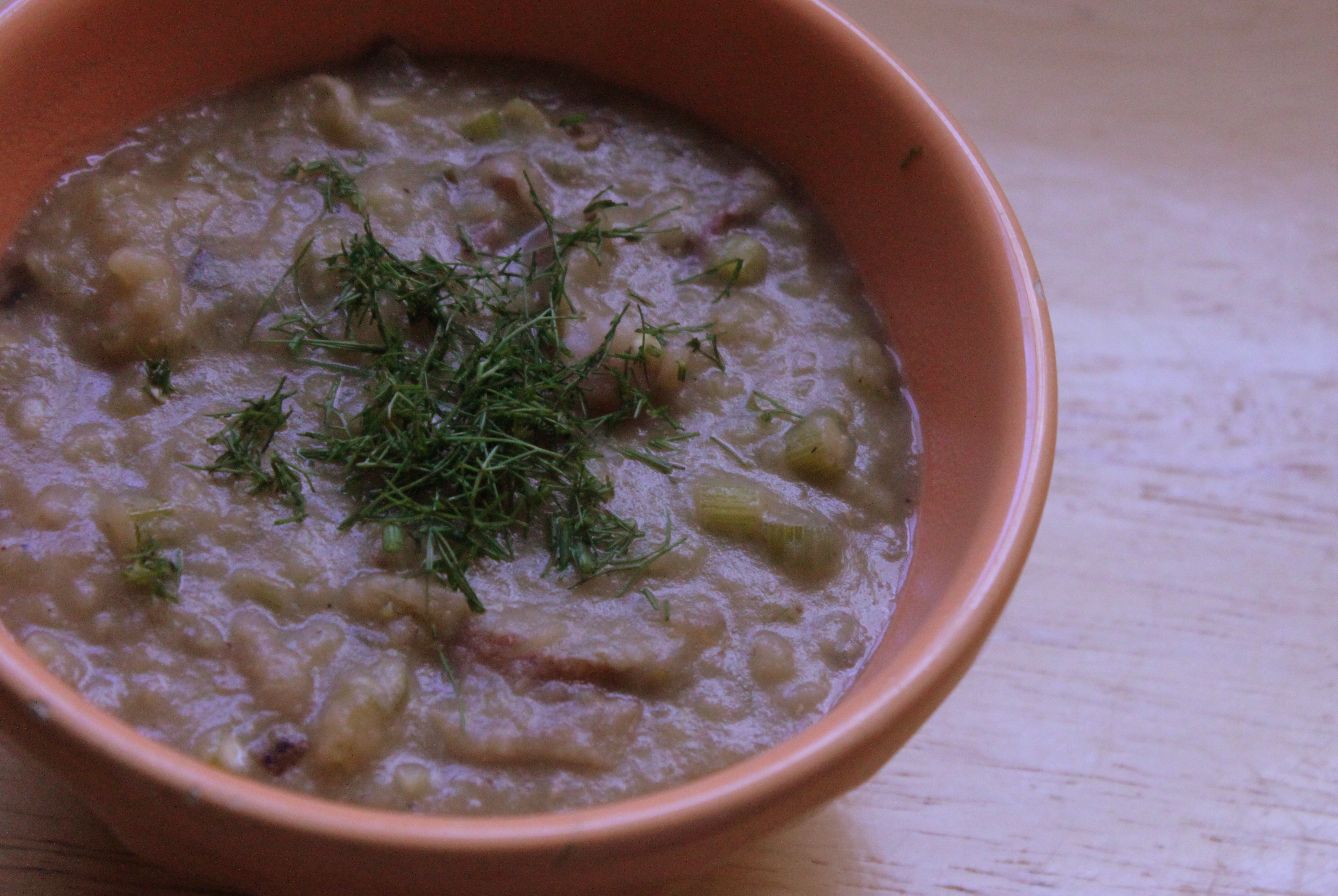
potato fennel soup with eggplant
“Summer afternoon – summer afternoon; to me those have always been the two most beautiful words in the English language.”

Looking out from our kitchen at the redwoods dressed in afternoon sun I would tend to agree with Henry James. No, October 22nd isn’t really summer in the true sense of the word, as much as the warm weather and last farm zucchinis on the table suggest it. But I’m ready to make amends with fall, starting with the fact that I spent my summer afternoon making the one meal that makes me crave autumn above all else—soup.

In my family soup was never relegated to the role of mere starter. Halloween meant costumes, trick-or-treating, and the Great Candy Trade which commenced every year when our haul was complete, but just as much as any of those things it meant soup—pots of it steaming on the stovetop to greet tired  flamenco dancers and their parents. My earliest memories of eating vegetables (and enjoying them) are all memories of soup: kale and potato soup with Polish sausage, creamy butternut squash soup, broccoli soup that had even our veggie nemesis friend Hayley asking for seconds. When I started cooking for myself in college the first recipe I came up with was for soup, a mishmash of vegetables, beans and pasta that I made repeatedly for months. I still remember the delight of standing over the pot that seemed to fill the entirety of my college kitchen—and the tragedy when I spilled an entire 2-quart Tupperware of my concoction onto my dorm room floor.
Last week, as if right on cue, a book mysteriously appeared on our kitchen table: The Soup Bible: All the soups you will ever need in one inspirational collection. (yes, bolded just like that). According to a scratched and peeling sticker on the cover it was $7.98 from Barnes & Noble—that’s right, $7.98 for all the soups you will ever need, plus tips on how to make swirled cream toppings, leek haystacks, and sippets (which are, apparently, large croutons). After an extensive perusal I had not only discovered a term for soup I’d never known before—“pottage”—but I was inspired to abandon the inspirational collection for a soup of my own. Harkening back to my early college days it’s a mishmash once again, but one entirely from the garden: in honor of summer afternoons, autumn days, and all that falls in between.
Potato Fennel Soup with Eggplant

1/2 onion sliced

2 cups chopped fennel (mostly bulb with some frond)

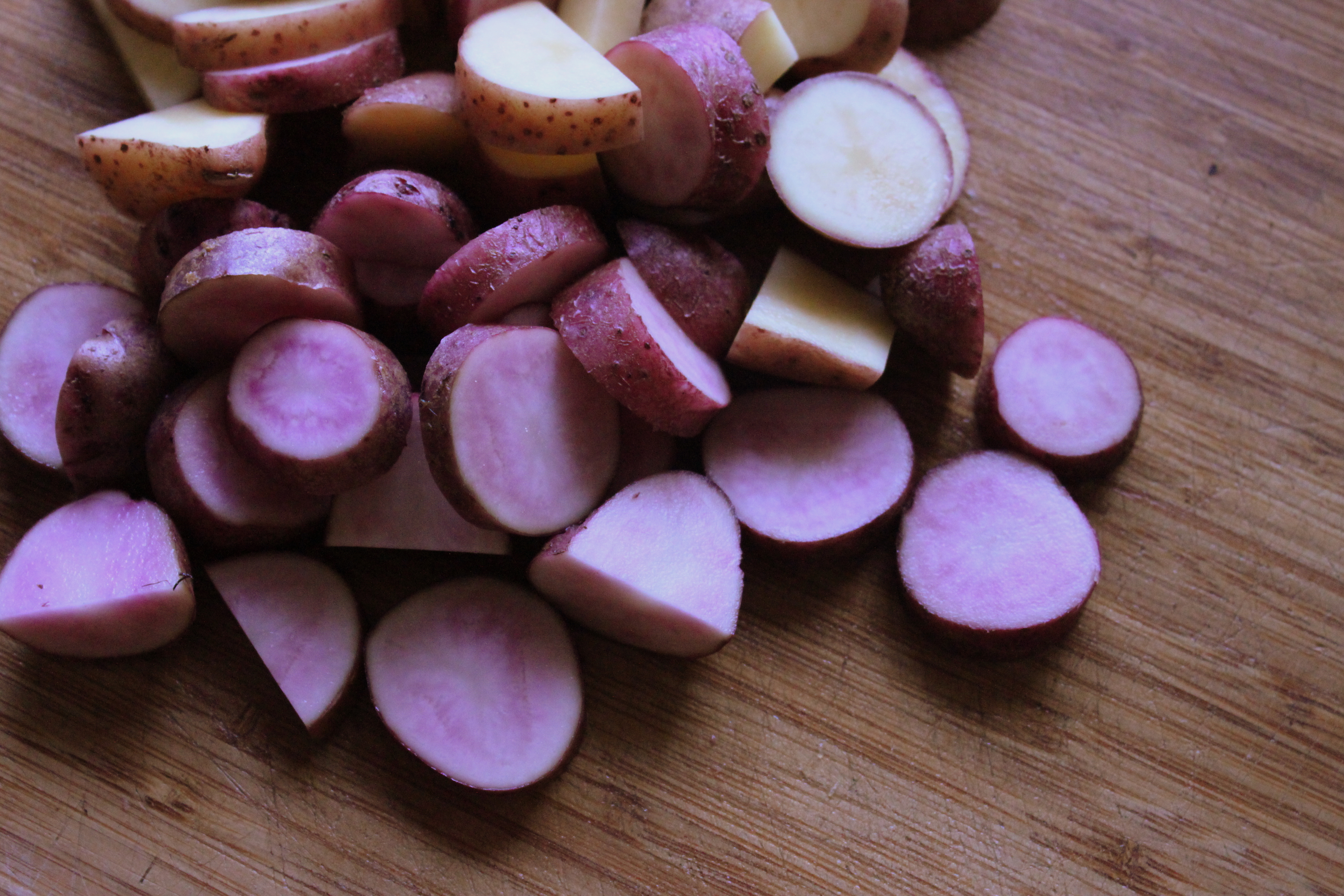
2 cups cubed potatoes

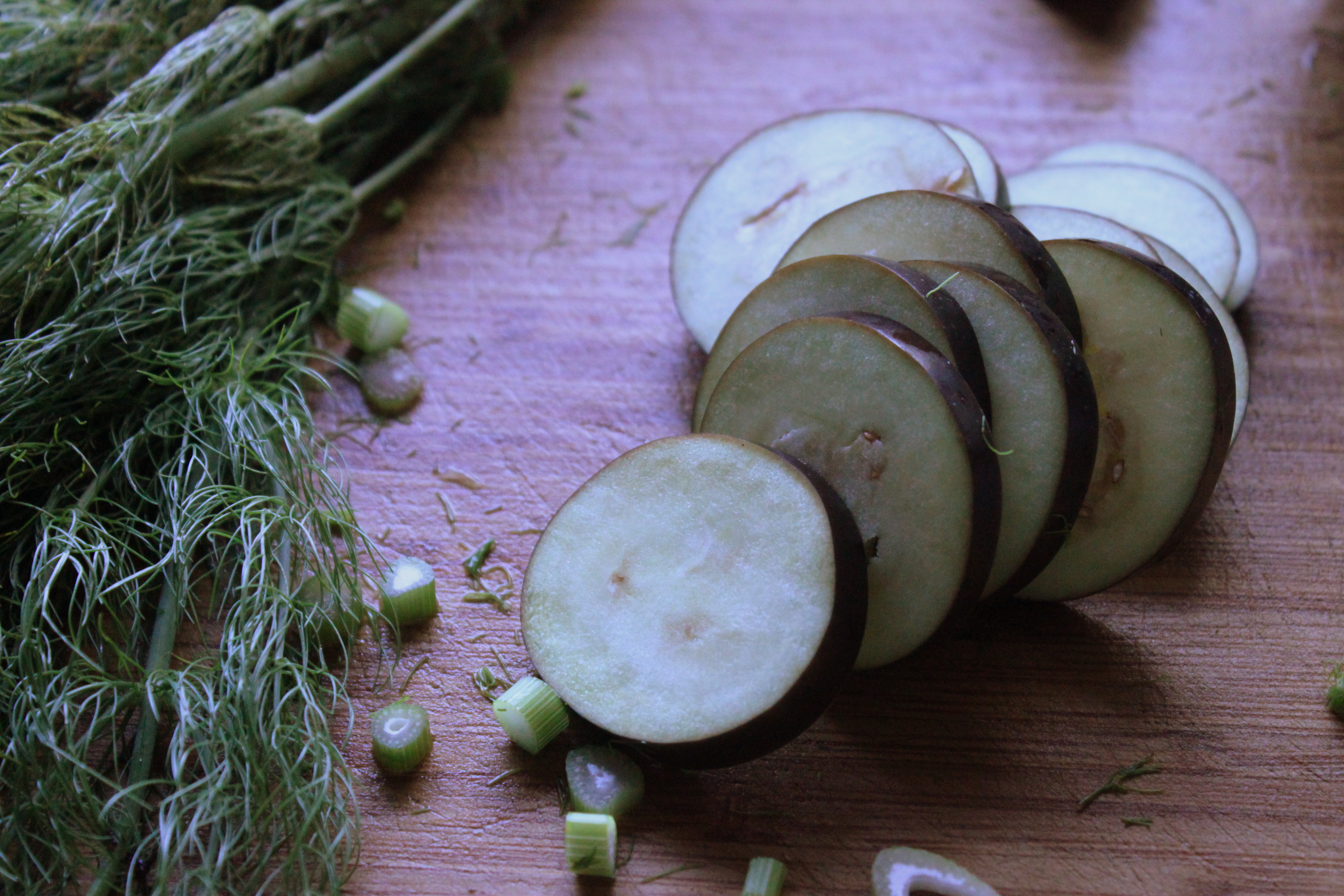
2 small or one medium eggplant sliced

2 cups chicken broth

1/2 cup milk

salt & pepper

In a large soup pot saute onions in olive oil until translucent. Add fennel, potatoes and eggplant, cooking until potato pieces are lightly browned and eggplant is soft. Add hot broth and 1/2 cup milk, simmering until the potato is cooked through. Season with salt and pepper and blend with a hand blender or in a food processor until creamy, leaving a few chunks for texture. Serve with chopped fennel fronds sprinkled on top.

tomato modernista dinner at manresa

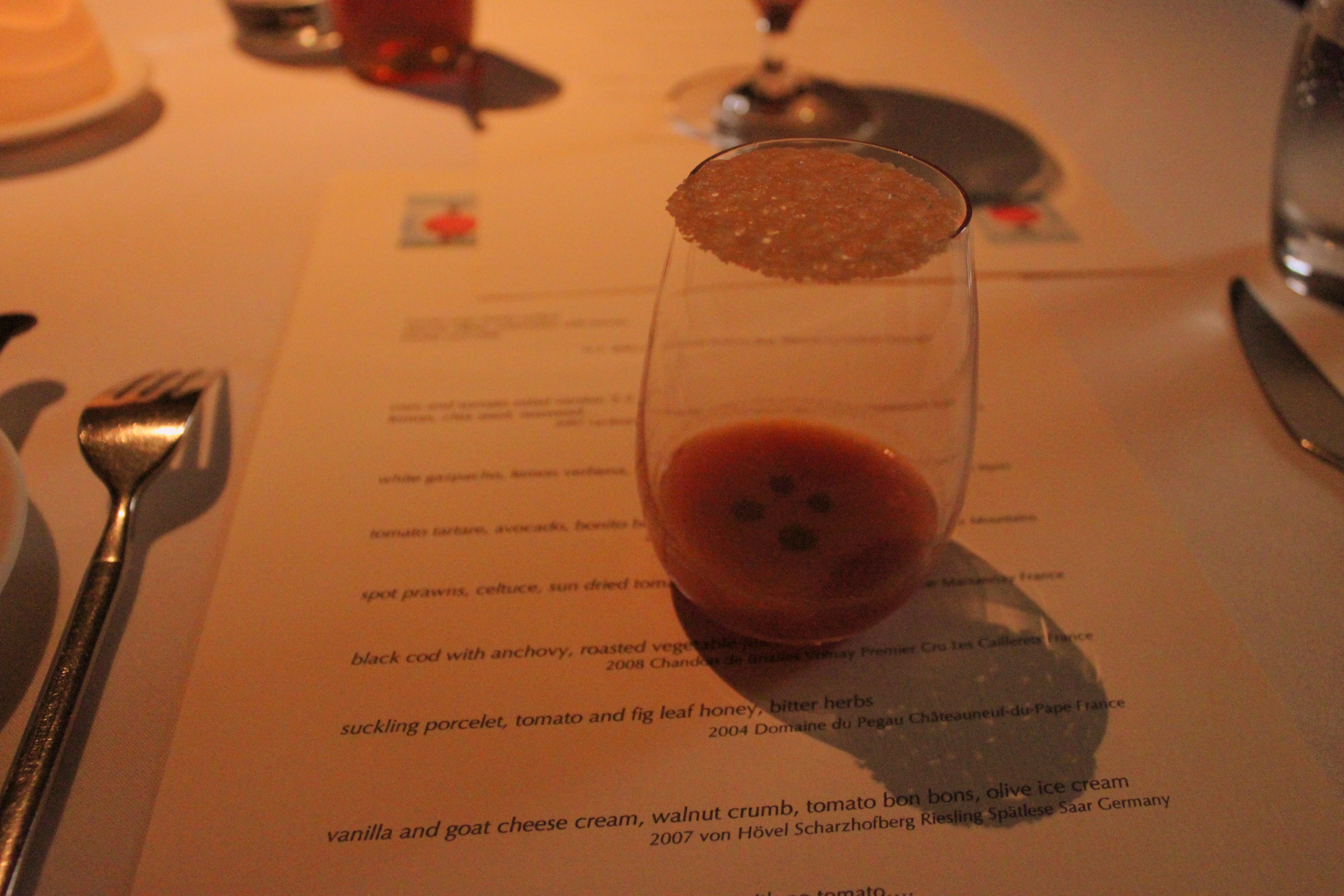
It was late January whenI first met Cynthia and Manresa Chef David Kinch in New York, and looking back now as I sit pajama-ed in the kitchen watching the wild turkeys outside it seems the setting couldn’t have been more different. That day I rode the elevator down 36 floors to meet them in the lobby of the Hearst Building. The three of us sat with the farm’s publicist, and as the face of O Magazine I nodded and smiled politely as she told me about the renovations both the farm and the restaurant were undergoing. Then Cynthia began to talk, and in describing the relationship between Love Apple and Manresa she said something that struck me: closed-loop. It’s taken almost a year to understand what that means in the new wave of food modernism that Manresa and Love Apple pioneer, but when I ate at the restaurant for the first time this past Sunday night I felt I’d journeyed that full loop—and in doing so, I’ve glimpsed what I was looking for when I took that elevator all those months ago.

Coming from Love Apple to eat at Manresa you can’t help but notice the food—after all, those were my mustard greens there on the plate, the Purple Mizuna and Golden Frill I sowed four weeks ago and touched fondly as I watered them every day in the greenhouse. And the tomatoes: the Black Prince suspended in a cocktail with cucumber and anise hyssop, the barely-cooked Sungolds still clinging to their truss, the Oxhearts and Beefsteaks transformed into slivers of sun-dried tomato or a rich honey to accompany crisped porcelet. Cooking with produce from the farm most of us tend to stay fairly straightforward, with slices of sautéed zucchini or whole leaves of braised Toscano kale. At Manresa, ingredients are transported, their true nature not so much transformed as revealed in new and unexpected ways.

With each new course, though, what ultimately made an impression was something larger than the food. Eating at Manresa is about just that—eating, and the intimate, sensual, and delightful experience it can be. Once you give yourself over to that experience it’s less about identifying ingredients and more about the true pleasures of ritual and taste and company. Four hours pass without your noticing the time because that is what eating can do when it is savored—take you somewhere else entirely, be that place the revelation of new ways of tasting or the comfort of childhood memory. Leaving Manresa that night I felt proud of everything I’ve done here, because the experience of eating is something I care about deeply. It can be as comfortably ordinary as the ritual of making my pancakes each morning–or as entirely memorable as surrendering to the experience that is eating at Manresa.

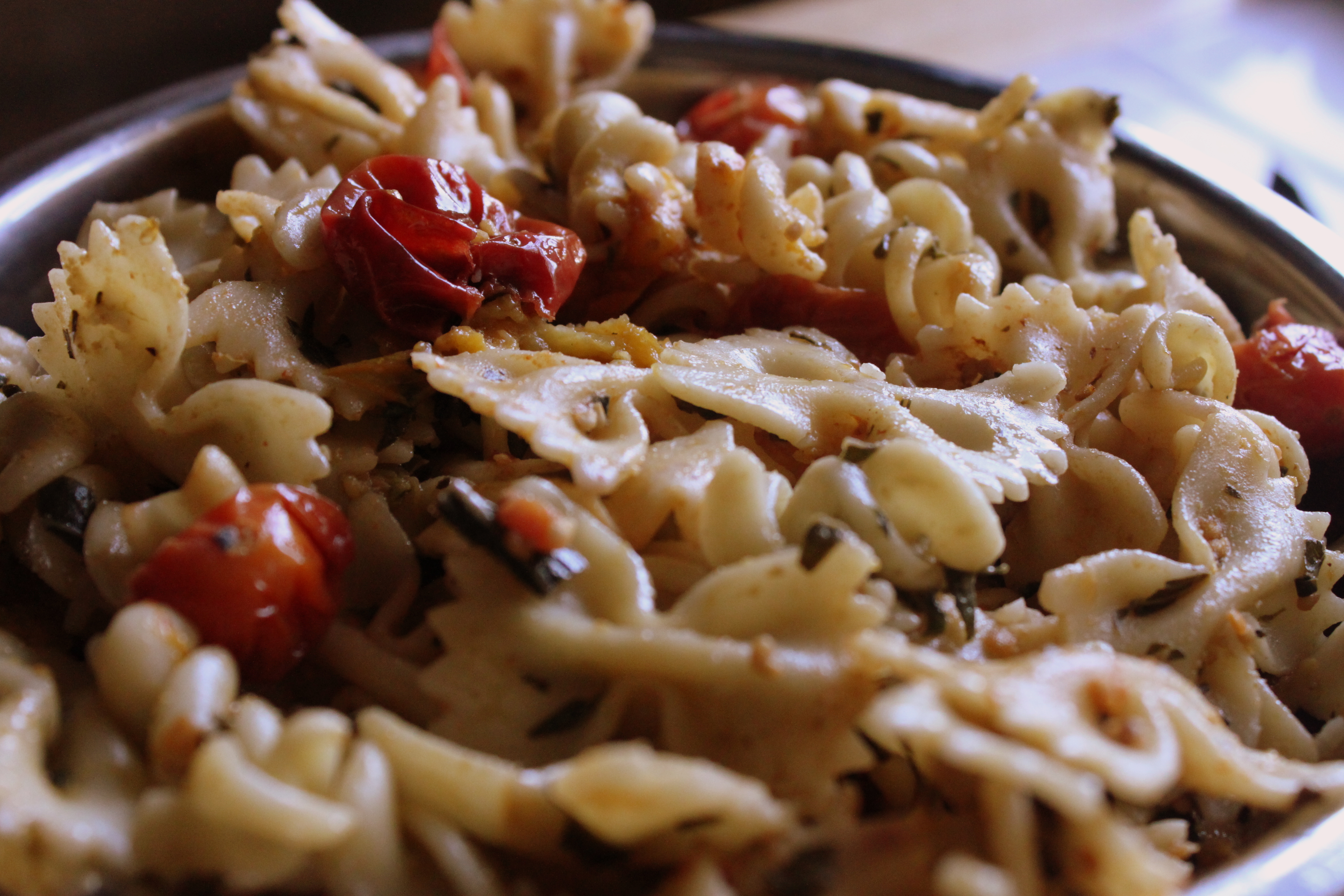
pasta with feta, basil and roasted cherry tomatoes

We hadn’t had farm dinner for a few weeks, and though I wouldn’t admit it to any of the other apprentices, I actually missed “questions around the farm table.” Not only have we had such recent gems as “What’s your favorite stuffed animal?” (courtesy of our neighborhood five-year-old) but I enjoy the way farm dinner questions give me an excuse to reflect on the meaningful things in life (what was the cheapest thing I bought and loved, and where is that prom dress now?).

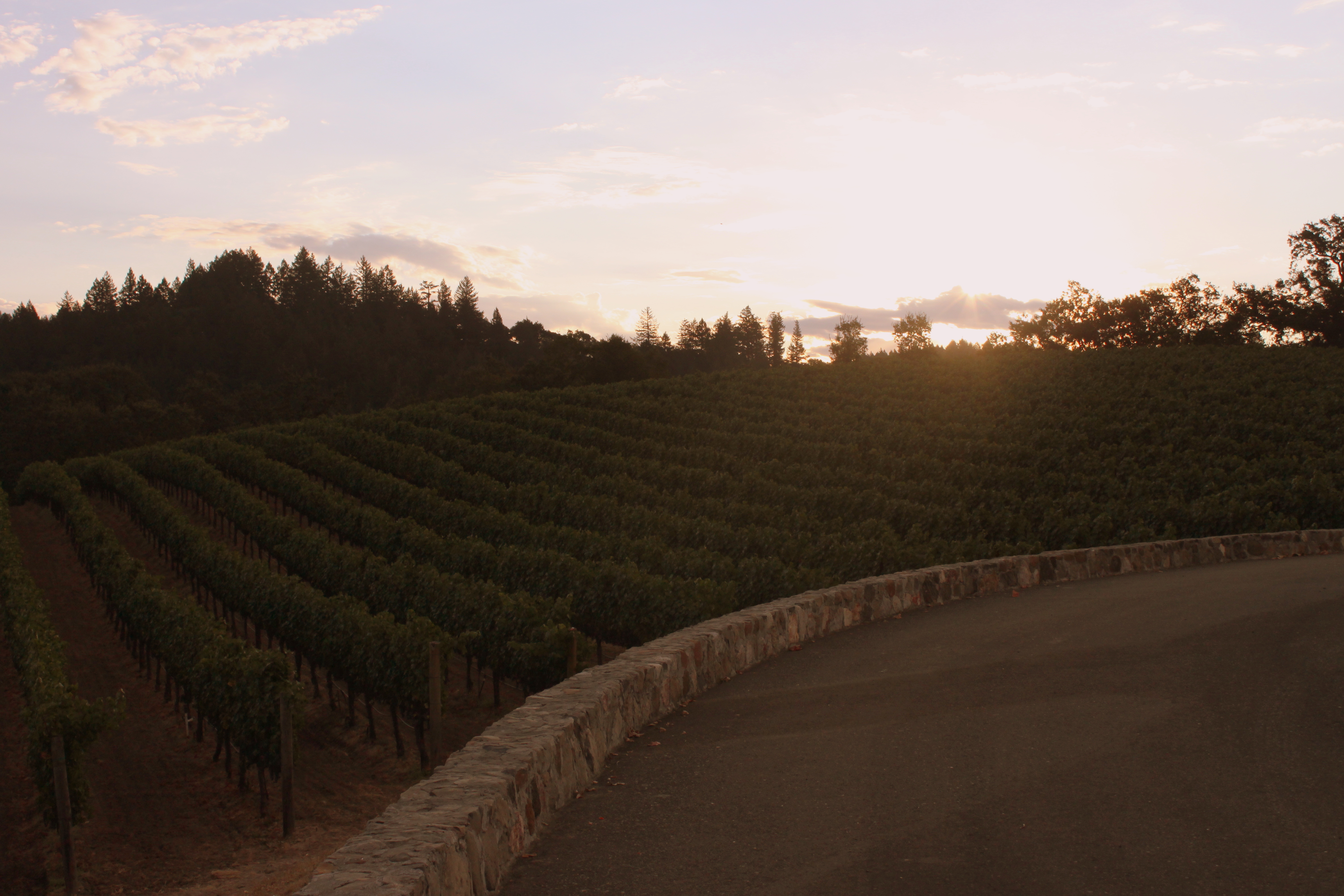
Questions can’t be repeated, and unfortunately I missed that pageant standby, “how would you describe your perfect day?”  For me the answer would look something like this past Saturday, which I spent in Napa wine country with my close friend and food and writing mentor Rachel. Waking up in the guest cottage of the beautiful Ehler Vineyards we must have looked like kids locked in a toy store: racing around with our cameras, picking chard and Sungold tomatoes from the garden for breakfast, eating grapes off the vine and oohing appreciatively at each new view. With most of my friends I have to keep my rampant enthusiasm in check, but with Rachel I have no such worries—when it comes to food or running or just enjoying being outside, she’s as ready to be delighted about life as I am.

And really, enthusiasm can take you far. After trying dozens of free samples at the Napa farmers market and spending half an hour inhaling spices from Anise to Zaatar at the nearby Oxbow Public Market, we even biked to a winery and crashed their release party, our smiling faces somewhat obscured by large bike helmets but visibly eager enough for the gate-keeper to let us in. Then there was olive oil and coconut gelato in St. Helena, and the evening spent barbequing eggplant and chicken sausages with my family. As we drank wine and ate cheese with olive pesto on the front porch of our little house, I could almost imagine for a moment that we owned the place.

Getting away is always exciting, but one of the hidden rewards I’ve come to appreciate about trips is the feeling you get when you return to everyday life. You’re away for a few days, and suddenly things seem just a bit more special, like unexpectedly finding  a worn sweater you’d lost bunched up under the bed. I was thinking about that as I roasted cherry tomatoes and cooked pasta for farm dinner last night, and when the night’s question was “how would you describe the farm?” I didn’t have to hesitate.

The farm feels like home.

Pasta with Feta, Basil, and Roasted Cherry Tomatoes

1 lb corkscrew or farfalle pasta

assortment of cherry tomatoes

2 inch cube of feta

several generous handfuls basil, chopped

olive oil

salt & pepper

Put a large pot of salted water on to boil. Rinse cherry tomatoes and arrange on a large baking sheet; drizzle liberally with olive oil and put in a 400 degree oven until golden and slightly shriveled (don’t worry when lots of juice comes out). In a small bowl, mash the feta with the chopped basil to make a paste, then add olive oil, salt and pepper. Cook pasta until al dente then stir pasta, your basil-feta mixture, and the roasted cherry tomatoes and serve warm.

the best way to eat a ripe tomato

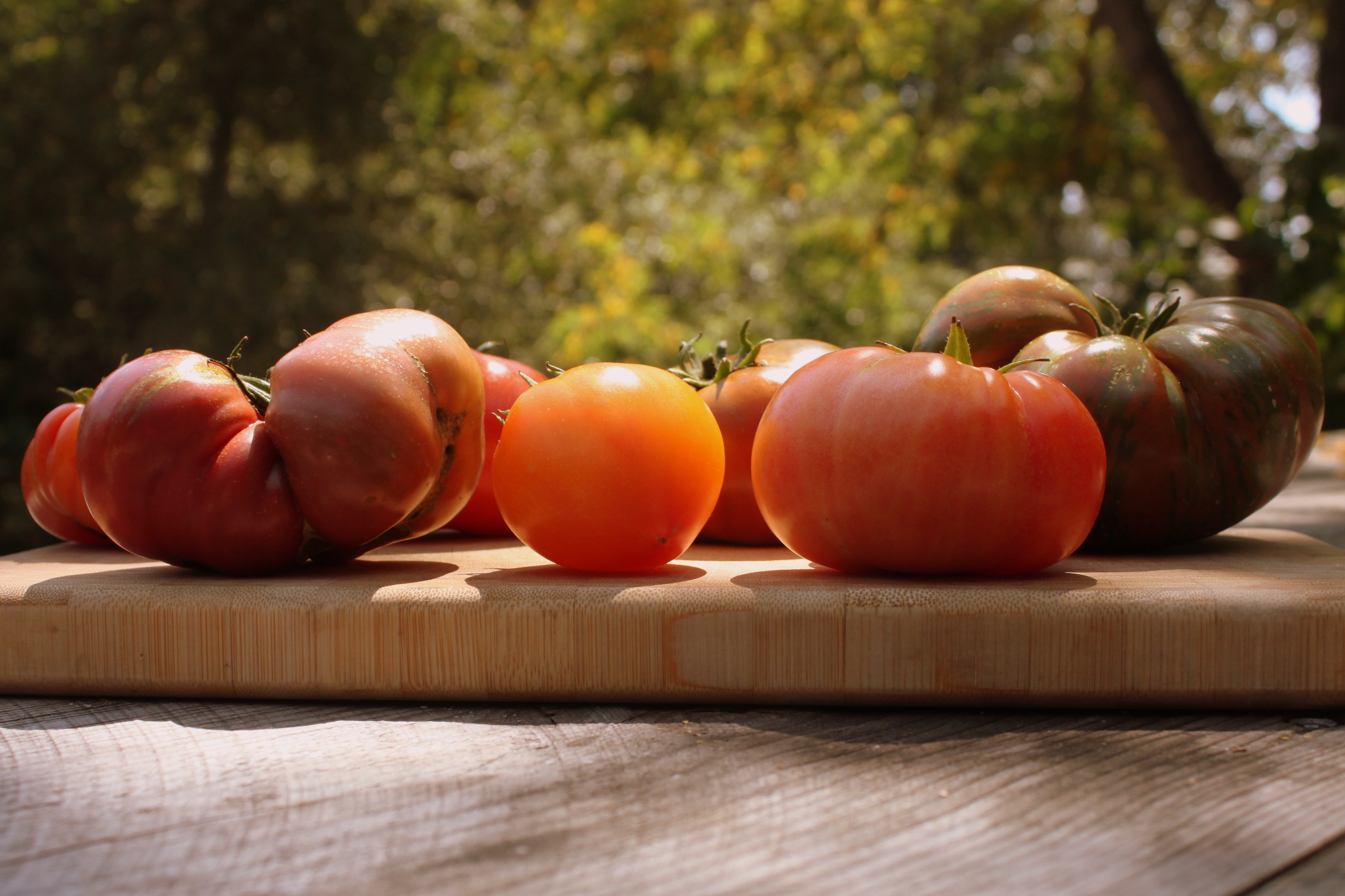
The season of the tomato has arrived.

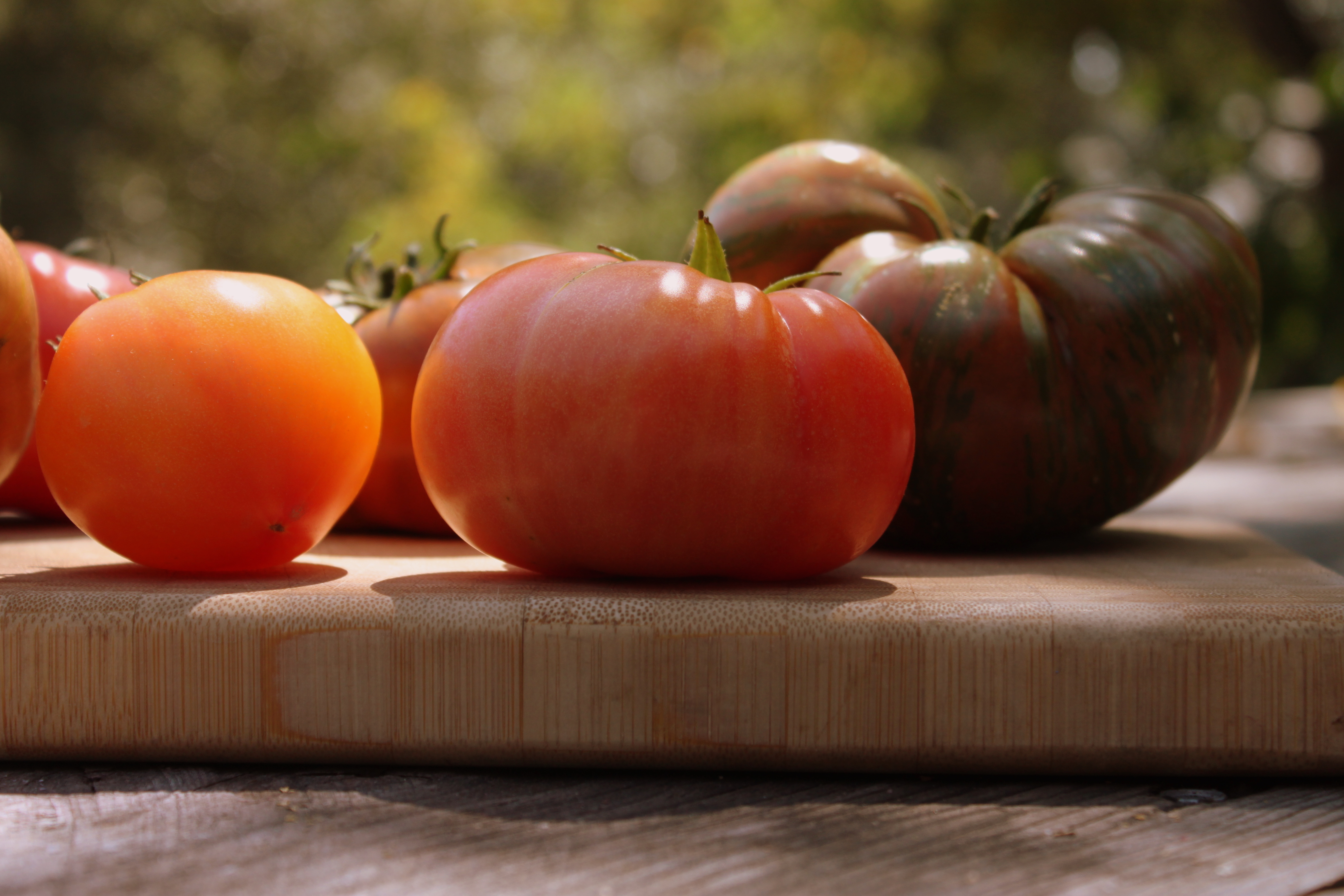
This season holds no small meaning for Love Apple, a farm named for the fruit I used to believe was red and round. This week, after a spell of perfect hot summer days, I lost that illusion for good—here tomatoes are orange, pink, black, gold, green and white, their shape long like a sausage or accommodating fantastic bulges. I always knew that tomatoes were Cynthia’s specialty, the cultivated passion that led the farm into the relationship it has with Manresa today. Now I finally understand: there are so many experiences a tomato can offer, and its season is the time to relish that variety.

With one season arriving, one has also drawn to a close. My friend and roommate Lisette left the farm this week, and as we all spent Saturday night drinking pitchers of IPA in downtown Santa Cruz we had our own little version of “farm dinner questions” to celebrate her time here. She asked us to remember a time we’d laughed with (or at) her, and the stories that came up were all of the “only on the farm…” variety, from dancing in the greenhouse on a winter’s morning to an episode I can only describe as involving zucchinis and a toilet. For my part, when I think of Lisette I remember the way she always greeted me with an enthusiastic “Miss B!” when we crossed paths in the garden. I’d never had a nickname from a friend before (“Sara” being somewhat lacking in wordplay potential), and it made me grin almost as much as I would when we’d sit in the kitchen after dinner giggling hysterically over Rowan Atkinson in Blackadder.

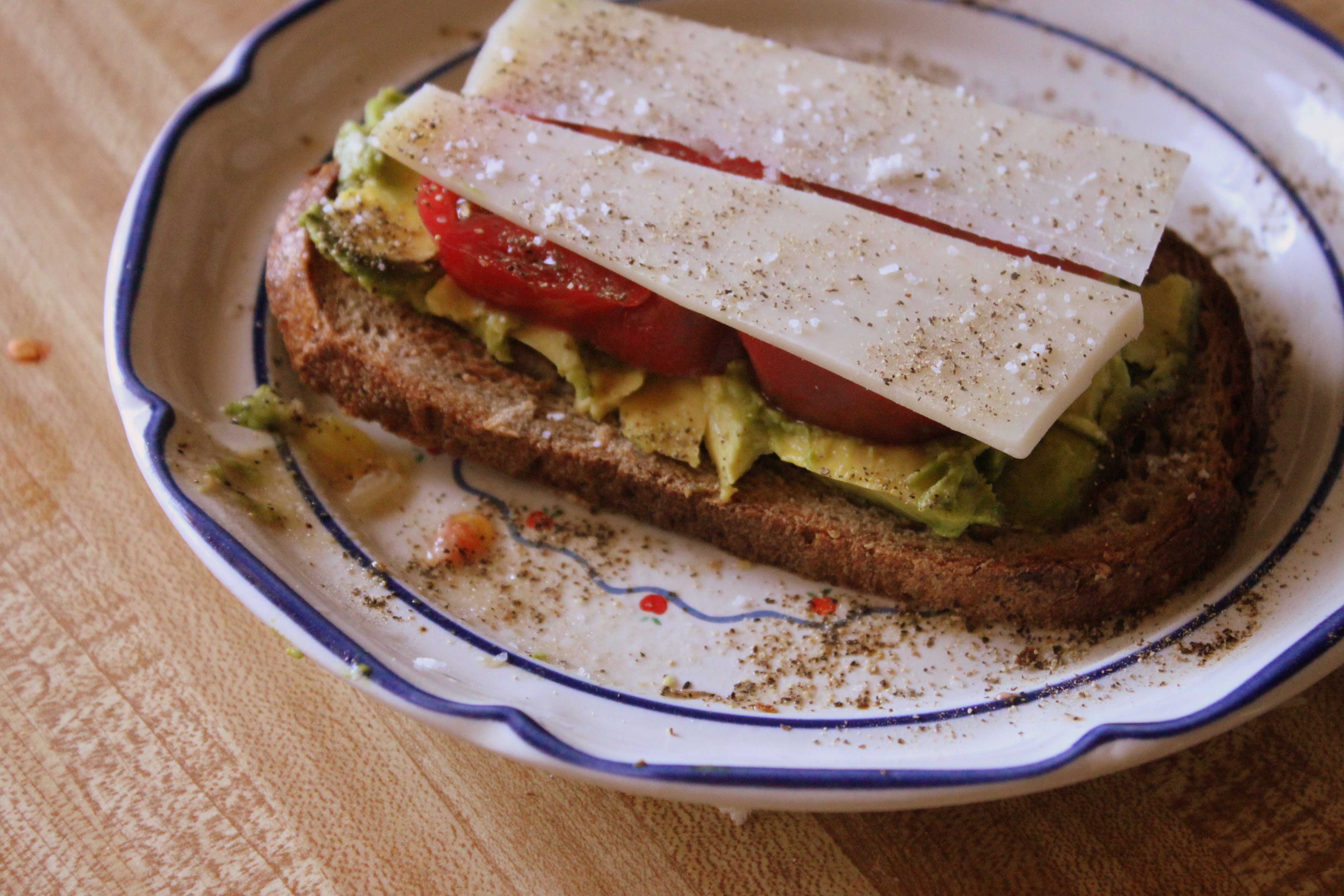
Lisette was the most knowledgeable among us apprentices when it came to the tomatoes on the farm, so it is in her honor that I want to share my favorite way of eating a ripe tomato. Nothing fussy, it’s something I’ve had every day this week for lunch. In fact I had to make it three times before I could photograph it today–not because it had to be perfect, but because I was hungry and found myself unable to resist a bite before I had the chance to get my camera.

The Best Way to Eat a Ripe Tomato

The key here is ingredients: ripe tomato, creamy avocado, good bread and a nice salty piece of cheese.

1 large ripe tomato

1/2 ripe avocado

slice of German wheat bread

1 or 2 slices of aged gouda or parmesan

salt & pepper

Toast your bread until crispy and golden, then layer with sliced avocado, thick slices of tomato, and cheese. Sprinkle with salt and pepper and enjoy!

goat cheese gnocchi with thyme

One of the most important things I’ve discovered about farming food as opposed to buying it is—surprise!—seasonality. Eating seasonally sounds all well and good on a farm-to-table menu, but on a farm itself it’s less glamor and more what am I going to do with 2 giant zucchinis a day for the next three months running? As a cook you have to get creative (or just really like zucchini bread), and while it’s true that inspiration strikes, I’ve found it’s helpful to have a few good lightning bolts on hand for days when my creativity needs a little extra sizzle.

My particular arsenal of lightning bolts is divided into two related camps: great cookbooks and favorite food blogs. As you know I’m a sucker for books, not just for the recipes but for the thick pages, the thematic presentation, and the pictures so perfect you could eat them right off those thick pages. Cookbooks aren’t just selling you food, they’re selling you a scene in which you are an active participant—cook these meals, and you too can be a roaster of goats or a forager in Denmark. There’s nothing quite like spending an hour or two in a bookstore browsing through the cookbook collection, imagining yourself inhabiting the world of food each book creates.

That being said, food blogs also have something unique to offer. It’s exciting to follow someone’s journey with food, checking every day to see what new breakthroughs they’ve made or ingredients they’ve discovered. With my cookbooks I carefully plan the feast I’ll make, purchasing everything I need and laying it out on the kitchen counter. With food blogs it’s much more spontaneous: I browse until I find a recipe that catches my eye, then play with it to make it fit what we have in the pantry. And when we’re overwhelmed with one ingredient—as we often are—I turn to both book and blog for inspiration. Case in point? While I’ve happily eaten goat cheese on toast with avocado for the past few weeks, Sprouted Kitchen’s yogurt and goat cheese tart laced with plum and the tangy goat cheese gnocchi from my newest cookbook Chefs on the Farm were much more fun uses of chevre.

Need inspiration? Here are a few of my favorites:

The New York Times columns by Mark Bittman and David Tanis—you can take the girl out of New York but you can’t take the New York Times out of the girl.

Lucky Peach—the new (and deliciously entertaining) quarterly journal from David Chang of Momofuku fame.

101 Cookbooks—the grande dame of food blogging, Heidi made my college cooking something to write home about.

Smitten Kitchen—one word: desserts. Well, maybe two: empanadas.

Sprouted Kitchen—my current photography inspiration and oh-so-lovely.

Jeni’s Ice Creams—I was drooling (literally) over her book in Bookstore Santa Cruz the other day, and this recipe did not disappoint.

One Bite World—my dear friend Rachel’s wonderful journal of food and running.

Goat Cheese Gnocchi with Thyme

I adapted this from Quillisascut Farm’s recipe for ricotta gnocchi, and the results with goat cheese were fine indeed.

4 cups chevre

1 egg

2 cups flour

4 Tbsp thyme, chopped

1 Tbsp nutmeg

salt & pepper

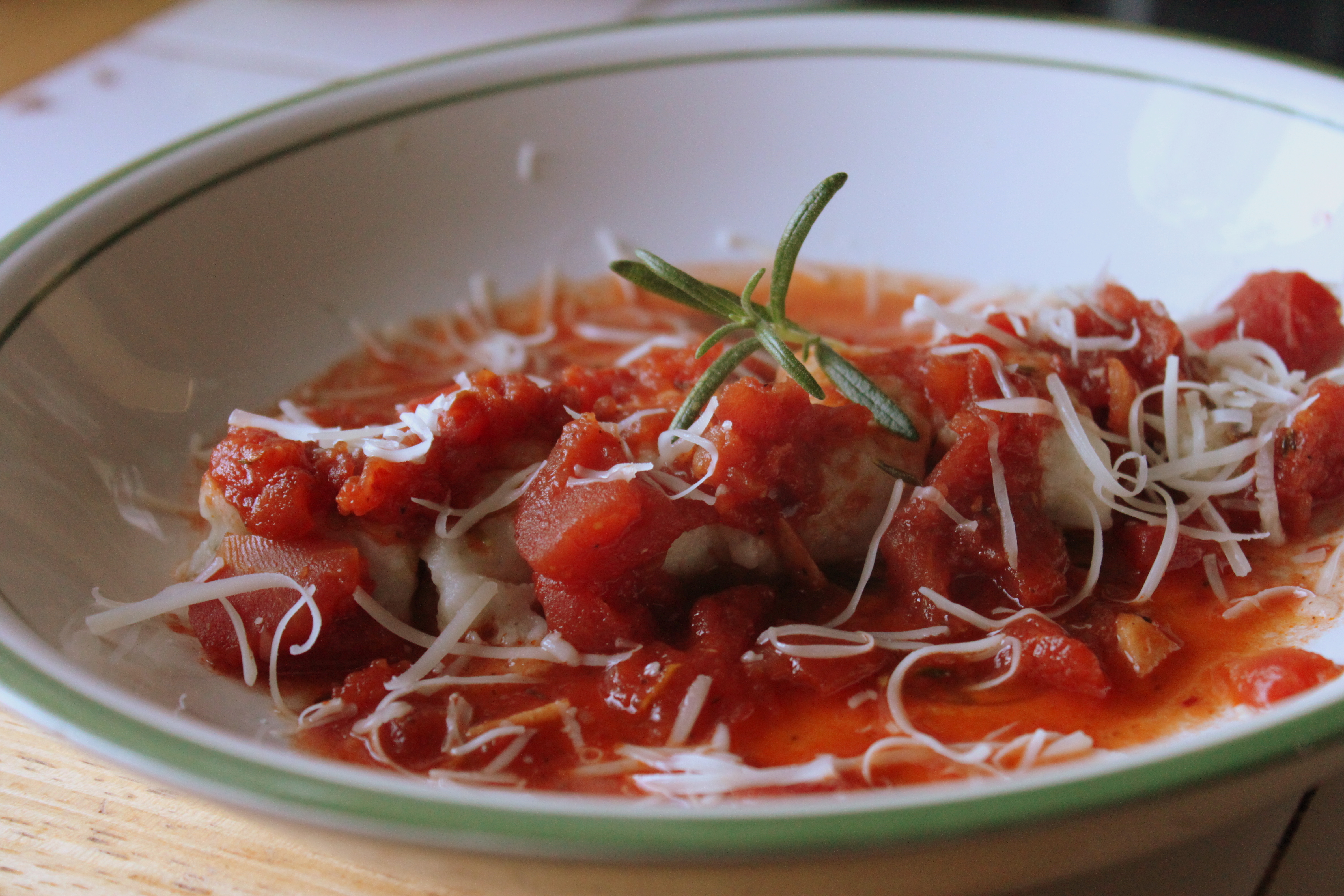
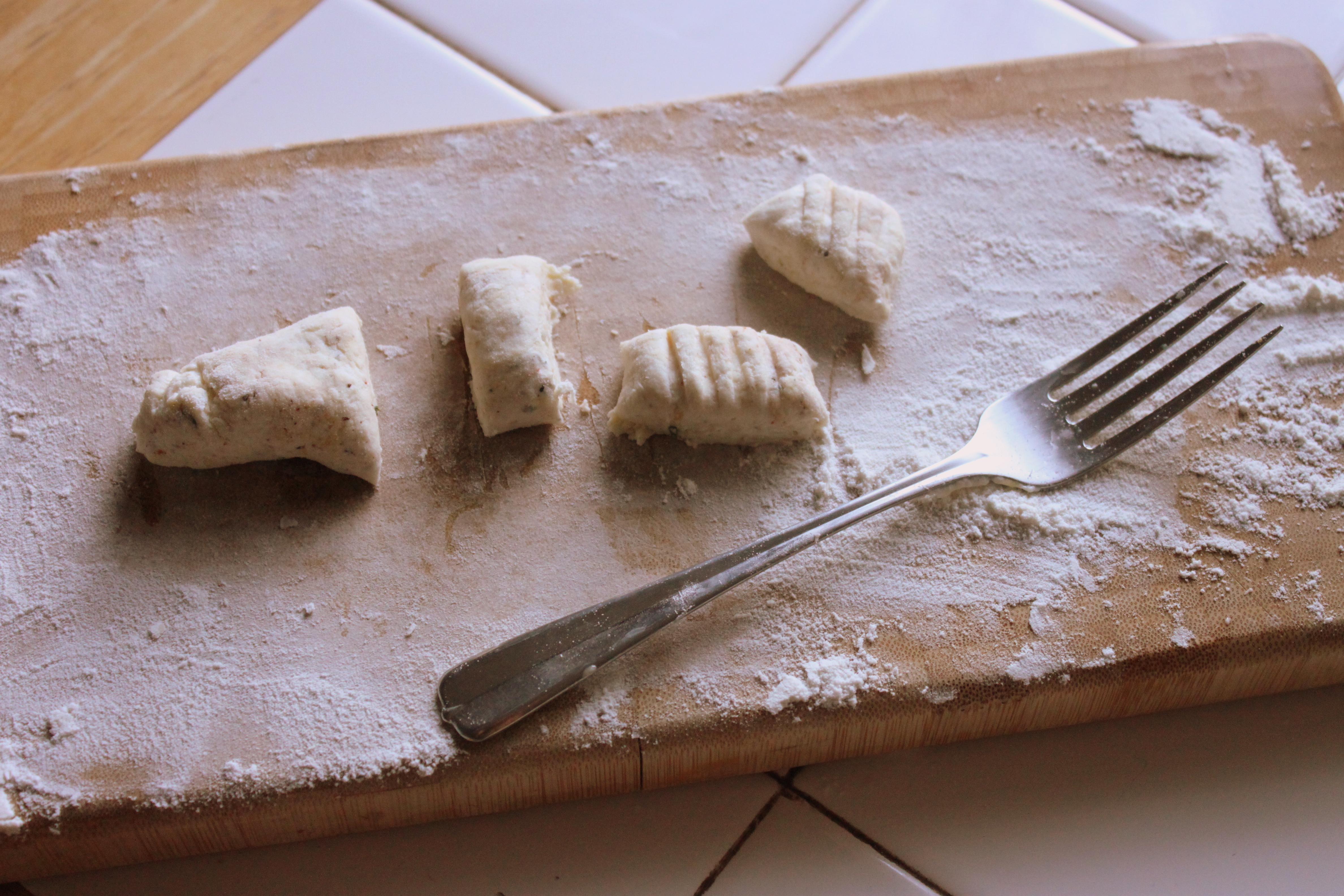
Salt a large pot of water and bring it to a boil. Combine all ingredients in a bowl until well mixed, using your hands to shape the dough into a ball. Pull off a small piece of dough and test it by dropping into the water and letting it rise to the surface when done; taste and check for seasoning. To make the gnocchi, pull off a hand-sized piece of dough and roll it into a long tube, then cut your roll into bite-sized pieces. Use a fork to make an impression on the top of each piece–this will catch your sauce. Cook pieces in boiling water as before, waiting for them to rise to the surface and cooling on a plate. Serve with a tomato sauce with rosemary or a little browned butter.