Skip to content

strawberries dipped in mexican hot chocolate
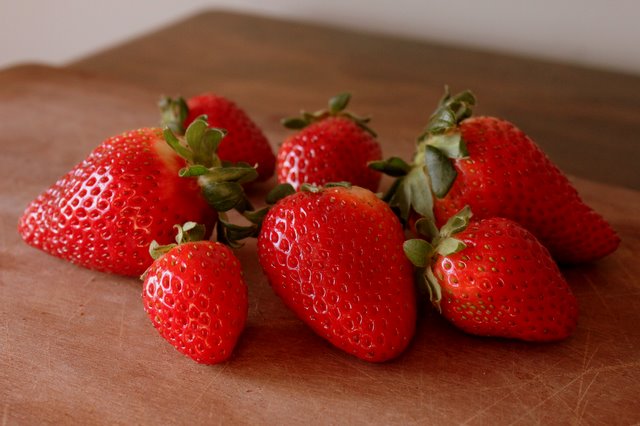
One of my fondest memories of my early college days was late-night Mexican hot chocolate in Wallach 9C. Our 11-person suite—which included a Chinese physics genius, a Russian pianist, two Cross Country runners and a reclusive boy by the name of Dante—would gather in the common room most nights around ten, when Homer’s poetry had lost its muse-song and a vague yearning for an (absent) TV set was communally felt. It was then that Matt would emerge with thick tablets of Abuelita hot chocolate from San Diego, dissolving them in half a gallon of cheap milk. We drank it steaming from mismatched travel mugs while playing a finicky card game that involved multiple decks, listening to—dare I say it—old Disney tunes. It was privileged nerd-ism at its best.
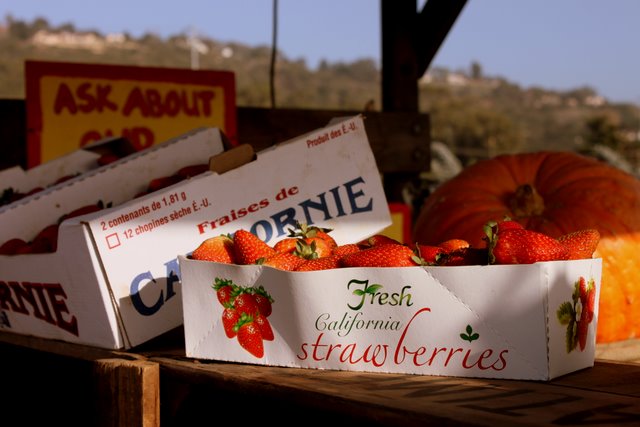
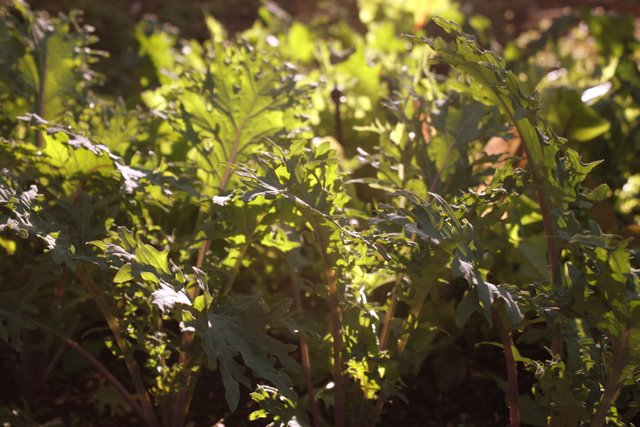
Here in Santa Barbara it’s been such a warm winter that even strawberries have become year-round fare, and whenever I go to Shepard Farms I marvel at the plump berries tucked in with the kale and butternuts. But even a California winter is an excuse to make hot chocolate, and though I’m still a fan of Nestle’s Abuelita (and her Hispanic Foods aisle cousin Ibarra) I’ve begun experimenting with Mexican hot chocolate rich enough for dipping winter strawberries. Make this spiced, chocolatey base as a decadent sauce for fruit and ice cream, or whisk it into hot milk for a warm evening treat. Want hot chocolate to rival Juliet Binoche in Chocolat? I’ve been coveting this milk frother for some time, and who knows–my birthday’s coming up.

Mexican Hot Chocolate for Dipping or Drinking

The following amounts are for a single serving, but they can be easily doubled or tripled if you’d like to share.

1 small square dark chocolate

1 tsp unsweetened cocoa powder

1/2 tsp cinnamon (plus extra for dusting)

3 tsp sugar

1/2 tsp almond flour (or ground almonds)

milk

In a small saucepan, melt chocolate over low heat. Add cocoa with a small splash of milk and whisk to combine, then add cinnamon, sugar, and almond flour with an additional splash of milk and whisk until chocolate base becomes thick and shiny. At this point the sauce is ideal for dipping.

For hot chocolate, add 3/4–1 cup milk to the saucepan and whisk to heat and combine. Taste and add additional milk if necessary, and enjoy steaming in your favorite mug.

butternut squash with cauliflower and crispy edamame

Recently, in what felt like a return to my English lecture days, I was asked to write on what makes a compelling character in a book or movie. So often in novels or films we see protagonists accomplishing death-defying feats, I began, they are heroes in the face of mediocrity, extraordinary beings in an ordinary world. The authors I love are those who acknowledge that the reverse is truer to human experience: we are ordinary characters in an extraordinary world. The characters whose lives I fall into with abandon are those who make spaghetti, drink beer, and buy pantyhose at the drugstore while things of utter strangeness go on around them.

I’ve long been a fan of authors who don’t flinch from providing mundane detail. My childhood heroine Nancy Drew couldn’t so much as climb into her blue roadster without a description of her pastel-colored outfit, an authorial move both entirely unnecessary and thoroughly enjoyable. The characters in the novels of one of my current favorites, Haruki Murakami, might be in the throes of mind-altering mysteries, but they go about their lives in much the same way I do: there is lots of opening the refrigerator and boiling water for pasta, many Friday nights spent in bed reading a book.

We tend to go about our daily activities on autopilot, and recently I realized just how powerful our neurological cruise control is when I read David Eagleman’s fascinating book Incognito: The Secret Lives of the Brain. Once we learn to chop vegetables or spin lettuce for a salad, there’s no need to focus on it—the activity is seared into the brain’s wiring, and in fact it’s often impossible to describe exactly how we wield the knife the way we do. But just because we can cook and eat without focusing on what goes into our mouths, does that mean we should? Jeff Gordinier’s compelling article in the New York Times yesterday on mindful eating offers a glimpse into a world where each bite is carefully savored, a practice that doesn’t come naturally to our efficient brains.

The concept of mindful eating appeals to me for the same reason that ordinary, spaghetti-making characters do: there is something deeply meditative about daily moments spent preparing and eating food. Cooking reminds us that life has a rhythm, that no matter how exciting or dull things become we pause several times each day and eat. These times can be rushed affairs, scarfing down a banana on the fly, and sometimes they have to be. But they can also be moments of unhurried reflection, of ordinary, everyday delight that lends itself more to happiness than heroic victory does.

Butternut Squash with Cauliflower and Crispy Edamame

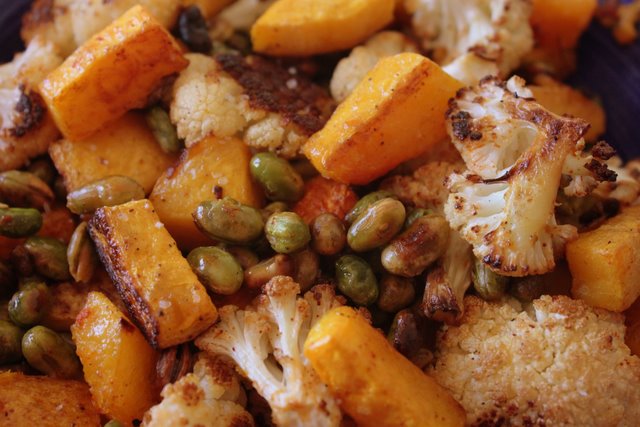
The key to this simple and satisfying dish is roasting until the edamame are browned and crunchy–they add wonderful texture to the sweet, soft squash and crispy florets of cauliflower.

1 medium butternut squash

1 head of cauliflower

1 cup frozen edamame

sweet Moroccan paprika

olive oil

salt & pepper

Preheat the oven to 400 degrees. Peel butternut and cut into cubes; spread on a baking sheet with frozen edamame. Cut cauliflower into bite-size chunks and add to the sheet, then sprinkle vegetables with sweet paprika, salt and pepper. Use your hands to coat veggies well with olive oil, then slide into the oven to cook for 30-40 minutes, or until butternut is fully roasted and edamame are browned and crispy.

astoundingly delicious (and easy!) homemade bread

Image

I know, food is a communal joy, a pleasure to be shared around the table with family and friends both new and old. But to each of you reading this, let me say that I wish for you just once to experience the moment of utter, profoundly selfish delight I felt this week while eating a slice of bread.

To backtrack: this was no ordinary bread. How I stumbled upon it was rather ordinary—I photocopied a few pages from a friend’s book, My Bread: The Revolutionary No-Work, No-Knead Method by Jim Lahey. True, the titular claim sounded a bit far-fetched. But bread-making had been a distant goal of mine for some time so I decided to give it a try.

The Lahey method stressed full dependence on time, and I was in no rush. I mixed the dough. I waited the requisite 18 hours, then a bit more for good measure. I pulled the dough out of its bowl and into a dishcloth. I waited another two hours. I heated the oven, with an old Le Creuset pot in it, and when it reached 475 degrees I awkwardly dumped in the dough. Thirty minutes passed, and then the room began to smell like bread.

Image

It was a wonderful—no glorious—aroma, the kind that draws you to the oven to peer inside. It was time to remove the lid and let the crust brown, and it was all I could do to fidget around the room for ten agonizing minutes, rearranging piles of mail and straightening the tablecloth. When I finally pulled it out I felt the sort of pride I’d previously associated only with my fifth grade reproduction of Botticelli’s Venus and Mars, or maybe my acceptance into college. In the recipe Lahey had specifically warned against cutting into the loaf right away, recommending an hour’s wait. An hour? An iron will (not in my arsenal) would be required.

I stood alone in the kitchen with my bread, the crust almost too hot to touch and the inside a soft, fragrant network of air pockets. The first bite was joy, pure and simple, the crispness of the exterior giving way to a moist and tangy center. I ate slice after slice, dipping them in olive oil sprinkled with salt. It was the kind of reverie you awake from to find, to your confusion, that the sun is still shining and half the loaf has vanished.

An hour or so later I lay immobile, the sheer volume of the bread I’d consumed weighing painfully with every breath. But Oh—it was delicious, worth every bite.

Image

Jim Lahey’s No-Work, No-Knead Bread

The chemistry of this bread is fascinating–Mark Bittman describes it eloquently in a way even my meager science mind can grasp. The traditional recipe calls for 3 cups of bread flour, but I had great success substituting in one cup of whole wheat. I also found I consistently needed more than 1 1/3 cups of chilled water to create a moist enough dough.

2 cups bread flour (I use King Arthur)

1 cup whole wheat flour

1/4 teaspoon active dry yeast

1 1/4 teaspoons salt

1 1/2 cups chilled water

wheat bran (or cornmeal)

Mix together dry ingredients in a large bowl, then add chilled water and stir with a wooden spoon until you have a cohesive–but very wet–dough. Set aside in a warm environment for 18-24 hours.

Lay out a clean dish towel (not terry, as it can shed) and sprinkle with wheat bran. Gather your dough (it should be doubled in size and dotted with bubbles) with well-floured hands and transfer it to the center of the towel, pulling in the edges of the dough towards the center to create a nicely-shaped round. Sprinkle the top of the dough with wheat bran and loosely cover with the edges of the towel. Set aside for 2 hours.

After 1 1/2 hours, heat your oven to 475 degrees with a large, lidded enamel or cast iron pot inside. When the oven is heated, remove the pot (careful–it’s very hot!) and coat it lightly with olive oil and flour, then transfer your dough from the towel to the pot. Cover and bake for 20-30 minutes, checking if the aroma begins to indicate burning. Remove the lid and bake for another 10 minutes, or until the crust is a dark brown. Remove from the oven and lift the bread from the pot with a wooden spatula, then set aside to cool for as long as you can resist.

crunchy garden spring rolls with pickled carrots

I’m not generally the type to make friends in transit. I don’t quite go the full sunglasses-and-headphones route, but I usually board the subway or plane with a book and a non-committal smile at the ready for anyone who edges towards small talk.

So it was with little expectation that I surveyed my seatmate on the train this weekend, a small, gray-haired Vietnamese woman with a white bucket hat and her feet tucked under her. We read—me, Bill Bryson’s A Walk in the Woods and she a book in Vietnamese—I worked on a few crossword puzzles, and she quietly readjusted her hat and feet. Then, just as we pulled into Los Angeles and an overhead voice made the tragic announcement that corn dogs were no longer available for purchase in the dining car, she turned to me and asked about my cell phone plan.

How the conversation turned from that to grilling vegetables I don’t know, but fifteen minutes later I was gesturing enthusiastically as I tossed imaginary florets of cauliflower in olive oil and slid them into the oven. Olive oil? At 400 degrees? She nodded earnestly and assured me she would try it, confessing she’d been looking for a new way to do vegetables and had never tried roasting them in the oven. In return she shared with me the merits of oxtail, multiple uses for fish sauce, and where to buy spices for a perfect pot of Pho while I frantically scribbled notes on a scrap of paper. As we neared her stop she reached into her bag and pulled out a crusty roll with cucumber, thinly sliced meats, daikon radish and pickled carrots: a homemade Banh Mi. Breaking it in half she offered me the larger portion, and we munched happily while she extracted a thin strand of carrot and told me the method she used to pickle it. As I helped her off the train after a quick hug I was reminded that even friendships that last less than 30 minutes can yield memorable moments–and memorable recipes.

Crunchy Garden Spring Rolls with Pickled Carrots and Peanut Dipping Sauce

These are the easiest–and tastiest–snacks to make, especially if you have lots of veggies on hand. The only tricky part can be finding the rice paper wrappers, but they are widely available at local Asian groceries and some large markets like Whole Foods (the same goes for the slightly more ubiquitous fish sauce and sriracha). Please feel free to play around and add more types of vegetables than I suggest.

For pickled carrots:

2 large carrots

1/2 cup water

1/2 cup rice vinegar

1/4 cup honey

Slice carrots into thin strips and set aside in a shallow bowl. Add water, vinegar, and honey to a small saucepan and bring to a boil, then pour over carrots until they are completely submerged. Soak overnight before sealing and storing in your refrigerator.

For spring rolls:

1 packet Vietnamese rice paper wrappers (round or square)

1 cucumber

1 avocado

2 carrots, pickled (see above)

lettuce leaves

cilantro

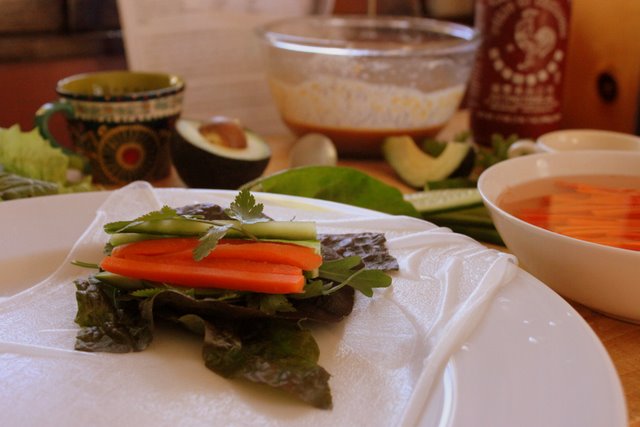
Slice cucumber, avocado, and any other veggies you plan to use into thin strips. Tear lettuce leaves in half and cilantro into small sprigs, and arrange all veggies (including pickled carrots) so they are close at hand.

Pour hot (not quite boiling) water into a shallow dish, and dip a sheet of rice paper in the water until soft and pliable. Lay rice paper on a dry surface and arrange lettuce, carrots, avocado, cilantro and other veggies in the center. Roll tightly while tucking in the edges, then cut diagonally in half and serve.

For spicy peanut sauce:

1/4 cup fish sauce

1/4 cup rice vinegar

1/4 cup honey

1/4 cup peanut butter

sriracha hot sauce

Combine the first four ingredients until smooth. At this point, it’s all about taste: more salty? Add fish sauce. More sweet? More honey. More tangy? Bring out the rice vinegar. Adjust with peanut butter for desired thickness, and finally add sriracha for spice.

meyer lemon sherbet with honey

In my running list of potential ingredient combinations, ice cream with quinoa was probably—no, definitely—near the bottom.

But there we were on a Friday at 9 a.m., me and 20 high schoolers, happily munching homemade lemon sherbet studded with quinoa from the bottom of our paper bowls. I’d brought the grain and dessert to share with students at my alma mater Laguna Blanca, the plan being to talk a little about food and blogging and offer first something healthy and breakfasty (quinoa as cereal!) and then something sweet. In the frenzy of serving they ended up together, but what better lesson for young cooks than that making food is often a happy accident?

I’m still a young cook myself, and ingredient adventures are no small part of my kitchen. Often the idea is not wholly my own: a month or so ago I was making a pasta casserole with one of my fellow apprentices when he suggested topping the dish with thinly sliced potatoes. Pasta and potatoes? Together? I tried (unsuccessfully) to veil my skepticism, but I was the one swallowing my words when we cut into our steaming casserole with its perfectly crisped potato topping. Who knew?

This lemon sherbet is also the product of experimentation, particularly since I ended up making four batches over the course of last week. Some of you may remember the birthday ice cream maker I purchased for my mom back in October (an ulterior motive gift to be sure), and since my servings of iced desserts usually near half the quart, I decided to play around with ice cream and gelato’s svelter and oft-ignored cousin, sherbet. Made with milk instead of cream, sherbet falls somewhere between ice cream and sorbet, and using Jeni Britton’s ice cream-making method it is nothing short of delicious. The base for my final batch came out of the fridge a tad too tart, but as it was a bit late to add more sugar I spooned in some Avocado-blossom honey. Not quite as odd as potatoes on pasta, but a happy experiment nonetheless.

Meyer Lemon Sherbet with Honey

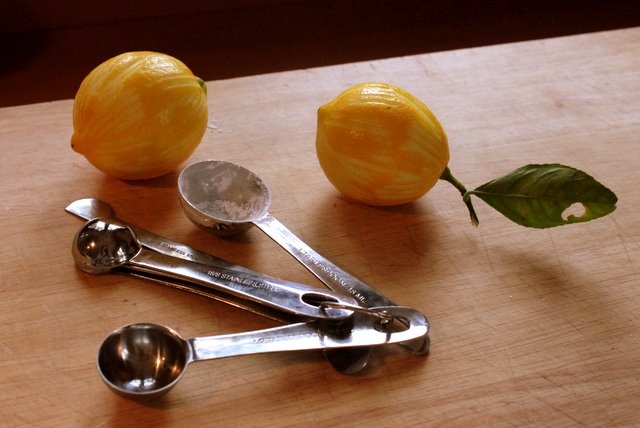
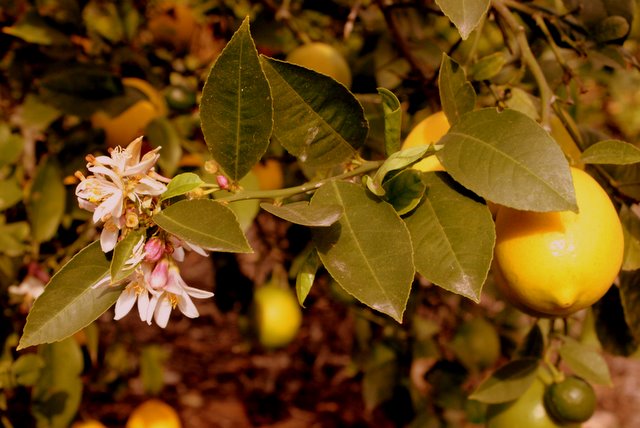
Meyer lemons have a characteristically mild and fragrant flavor which works wonderfully in sherbet, but I’ve made this recipe successfully with limes and other citrus so feel free to use what you have on hand. The same goes for the milk—I use 2%, but you can easily substitute according to preference.

3 cups milk

1/3 cup sugar

zest of three lemons

1 Tbsp cornstarch

3 Tbsp cream cheese

juice of five Meyer lemons

3 Tbsp honey

Whip cream cheese in a large bowl and set aside. Combine milk, sugar, and lemon zest in a saucepan over medium heat and slowly bring to a simmer. Dissolve cornstarch in a separate cup with a little of the milk from the pan, then pour into the main mixture when it begins to boil. Stir for a minute or so on the heat until the sherbet base thickens slightly, then pour onto the cream cheese and whisk vigorously until mixed. Set in the fridge or freezer to cool.

Juice your lemons and set aside. When the sherbet base is fully cooled, stir in honey and lemon juice a little at a time, tasting after each addition. When your base is the perfect combination of tart and sweet, freeze in your ice cream maker or follow these instructions for freezing your sherbet as a granita.